Showing posts with label Wellness. Show all posts

Friday, September 7, 2018

How can work affect your back pain?

How Can Work Affect your Back Pain?


Back pain is one of the most common reasons people miss work, and it’s no secret that work often contributes to back pain. In recent years, several media outlets have warned the public about the pain and debilitation which results from sitting for too long. But standing for too long also imperils the back, as well as the legs and feet. Chiropractors often treat cashiers, hairdressers, nurses, security screeners, custodians, and other people who are on their feet all day, but preventive measures are necessary to stop the problem from recurring.
How Standing Affects the Back
Problems in the lower limbs will have consequences further up. When peoples’ feet are painfully swollen or their leg muscles are failing, their posture is likely to get worse. They often subconsciously tilt their pelvises in an attempt to use their back muscles to compensate for tight or overworked muscles in the pelvic region, legs, or core, putting their lower backs out of alignment and increasing wear on their facet joints. Wear to the back muscles also puts uneven pressure on the spinal discs, allowing them to become misshapen and inhibiting their function as shock absorbers.
Good Habits While Standing
Ideally, workers should be able to alternate between sitting and standing throughout the day. It’s good to switch about every half hour. While standing, it may be helpful to put one foot up on a bar. In either position, desk workers should position the top of their screens to be at eye-level and tilted slightly up. They also should also put the keyboard and mouse on the same level and stand about twenty inches away from the screen. Knees should be bent slightly and be positioned directly below the hips.
The Importance of Foot Care
To prevent lower back pain, the feet are especially important to care for. Blood pooling in the lower extremities can lead to vascular problems, which come with their own pain and can encourage bad posture. People with Chronic Venous Insufficiency should consider compression stockings. Many chiropractors now offer customized foot orthotics, which provide the feet with more support, and patients are generally discouraged from wearing flat shoes. Anti-fatigue floor mats have been shown to decrease foot and lower back pain. Patients are also advised to move their feet when turning to reach something, as opposed to twisting their torsos.
How Chiropractic Helps
Chiropractic care will likely include some sort of therapeutic exercise as well as pain relief. Squats are recommended for many patients as a way to strengthen core and leg muscles and to improve hip flexibility. Traction, either with a machine or suspension, can reverse the pressure in spinal discs. Adjustments will put joints back in place, removing pressure from the surrounding muscles and nerves. Therapeutic massages, electric muscle stimulation, and ultrasound therapy also help to reduce muscle inflammation and deliver more nutrient-rich blood to injured soft tissues.

Scott Chiropractic and Wellness

Matthew Scott, DC
5080 Virginia Pkwy Ste 550
McKinney, TX 75071
(972) 540-5445

*****This is not intended to replace the services of a doctor. It does not constitute a doctor-patient relationship. Information in this newsletter/website is for informational purposes only & is not a substitute for professional advice. Please do not use the information contained herein for diagnosing or treating any condition.


Thursday, March 16, 2017

Is your diet aging you?

Is Your Diet Aging You?

We’ve all heard the saying, “you are what you eat.” No doubt, the foods we ingest have a big impact on what we see in the mirror — and we’re not just talking about a few extra pounds around the mid-section. I’m just going to give it to you straight. Plain and simple, your diet could be (prematurely) aging you. But, here’s the good news. A few changes to your eating habits now can help to keep your skin looking youthful, and your body healthy for many years to come. It all starts with making better choices.
Want to look like a million bucks? You have to eat better.
Experts say poor quality foods (like trans fats) cause inflammation. And aging is basically a chronic inflammatory state, says Dr. Timothy Harlan, an Assistant Professor of Medicine at Tulane University, in an interview with Web MD. You can absolutely look older because you are eating crap.
Too much sugar and processed carbohydrates like pasta, bread, and baked goods — you know, everything we love — can actually damage your skin’s collagen. (Collagen is what keeps your skin springy and resists wrinkles.) These foods can also affect your overall health. They have been linked to heart disease and diabetes. If you want nice skin (and good health), you’re just going to have to eat more fruits and veggies.
This means you will need to eat less of these…
  • Anything deep-fried in oil can create (or add to) inflammation in your body. Trans-fats can raise your LDL (“bad” cholesterol) and lower your HDL (“good” cholesterol). This can increase your risk for heart disease. So stay away from the French fries and potato chips! They aren’t just bad for your skinny jeans…
  • Sugary pastries and sweets (like donuts and cookies) are packed with sugar, which may cause wrinkles, and can even lead to acne. Who wants to deal with that?
  • Fatty meats are high in saturated fats. Try to choose something leaner, like a tenderloin cut when you can. Look for ground beef that is at least 95% lean. Or better yet, choose ground chicken or turkey breast. You should also try to stay away from the processed meats like hot dogs, bacon, and pepperoni.
  • Moderate drinking might be good for your heart (the jury is still out on this), but heavy drinking revs up the aging process. Moderate drinking is defined as one drink per day for women, and two drinks for men.
Instead, choose a heart-healthy, Mediterranean-style diet.
This means eating more fruits, vegetables, whole grains, low-fat dairy, and lean protein. These foods help fight (rather than cause) inflammation and keep you looking young and fresh. Experts say we should eat whole foods, closest to their natural state. Greens like romaine lettuce, broccoli, spinach, and arugula are all great options. Tomatoes, watermelon, grapefruit, and asparagus are also good, not to mention delicious! Fish like salmon and tuna make the grade, as well as black beans, chickpeas and oatmeal.
“All foods in moderation are part of a healthy lifestyle. It is essential for your intake to be balanced. Too much or too little of anything is unhealthy and can result in decreased immune function,” says local Registered Dietician Pam Neumann, MPH, RD, LD. “Those gaps and lack of balance — combined with inadequate physical activity — can become problematic as we get older.”


Scott Chiropractic and Wellness
Matthew Scott, DC
5080 Virginia Pkwy Ste 550
McKinney, TX 75071
(972) 540-5445

Monday, March 28, 2016

Spring is upon us!


Spring is upon us! 
The month of spring is finally here and the earth is gradually sprouting to life again. Though climate changes vary depending upon location, warmer temperatures means the ground, which may have frozen over in the winter months, grows softer and more yielding to plants. To celebrate these new beginnings, many Americans turn to gardening. After all, gardening provides an opportunity to breathe fresh air, decorate your home and exercise your muscles.
If you suffer from a bad back, this can hinder your gardening abilities. However, it does not mean that you are done gardening for good. In many instances a bad back is simply your body’s way of telling you to correct your posture and be more cautious. To help you take the ache out of gardening, we gathered some safety tips to help keep your green thumb alive.

Prepare Your Body
  • Wear comfortable clothes and shoes – never garden barefoot or in sandals. You should always wear some sort of shoe that laces up and provides good cushioning and arch support. Also, it’s important to always wear socks because they absorb the moisture from sweating so you won’t slip. Protecting your feet is the first step to protecting your back.
  • Stretch before you start – gardening is a strenuous activity, so like a workout, your body needs to loosen up before you start putting it to work. Start by walking around your garden a few times and stretch before you begin. Simple stretches such as clasping your fingers together and lifting your hands high above your head and then down to your toes will help you to warm up your muscles and lubricate your joints.

Tips for Healthy Posture in the Garden
  • Don’t lift heavy objects –if you must lift something, remember to bend your knees and keep your back straight. Use a wheelbarrow to move objects where possible. In addition, wear belts that support your back if necessary.
  • Use appropriate tools – If you use gardening tools with handles that are too short or too heavy to allow you to easily reach the areas you need, you will increase the likelihood of straining your back. Instead, try using lightweight tools with long handles or extensions. You can also use a gardening belt to keep your tools easily reachable so that you’re not constantly bending over to pick them up off the ground.
  • Take breaks to stretch and rest – It’s never a good idea to stay in one position for too long, especially if you are leaning over or bending down and curving your back. It’s recommended to get up and stretch every 30 to 40 minutes. If you feel yourself getting tired, sit down and take a break after you stretch to give your back muscles a chance to recover.

Know When to Stop
If you feel pain when you’re gardening, that is your body telling you to stop. The main thing to remember when gardening with a bad back is to break up the work into manageable increments and to continue stretching your muscles throughout the process. You should stay hydrated as well. Just like an athlete needs to cool down after a workout, you should cool down when you’re done with gardening work. 

****Disclaimer: This content is solely for informational purposes and should not be substituted for medical or chiropractic advice. It is recommended that you seek professional advice by a licensed health care professional.


Scott Chiropractic and Wellness
Matthew Scott, DC
5080 Virginia Pkwy Ste 550
McKinney, TX 75071
(972) 540-5445
www.scott-chiropractic.com


Monday, February 22, 2016

A Common Cause of Knee Pain

A Common Cause of Knee Pain 

Many of our patients have been becoming more active this time of year with activities such as jogging and new exercise routines as a way to meet those New Year health resolutions.  Every year at about this time we see a greater number of patients complaining of knee pain due to increased activity.

There are several possible causes for the specific knee pain you may be experiencing.  If you have painbehind the knee cap you may notice that climbing stairs or walking downstairs increases that pain.  Paindeep inside the knee may become worse as you bend into a squatted position or remain seated for prolonged periods.  Knee pain on the sides of the knee is often related to walking on uneven terrain, repetitive twisting movements, or being active for extended periods of time.

Did you know that chiropractic adjustments to the feet and knees can make a positive impact on reducing or eliminating those knee pains you may be suffering from?

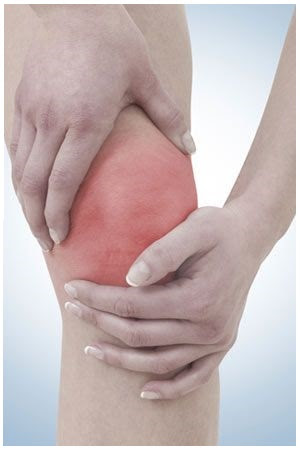
Knee PainThe knee is a “hinge joint” similar to the hinge on a door.  Unlike the hip or shoulder joints, which move in multiple planes of motion, the knee is designed to only move in one plane (flexion and extension).  Because of its limited range of motion, the knee is vulnerable when the ankle, leg or hip becomes abnormally rotated or misaligned.


The knees depend upon the feet, ankles, leg and hip bones and joints being properly aligned in order to maintain their healthy function.  When any of those bones or joints loses its healthy alignment, you may begin to experience symptoms of pain, stiffness or popping in the knee joint.

Do not allow your knee problem continue without having it checked for misalignments.  When knee joint misalignments are left uncorrected, the cartilage (meniscus) inside the joint will begin to erode and wear down.  This is known as degenerative joint disease or osteoarthritis.

Maintaining healthy alignment of your feet, legs and hips is one of the most important things you can do to proactively prevent against degenerative arthritis in the knee joint.

Our clinic takes great pride in being equipped to successfully treat most musculoskeletal knee conditions.  We would love to help if you or someone you know suffers with knee pain or reduced function.  Please call to make an appointment for yourself or anyone you would like to refer for a knee evaluation.

****Disclaimer: This content is solely for informational purposes and should not be substituted for medical or chiropractic advice. It is recommended that you seek professional advice by a licensed health care professional.


Scott Chiropractic and Wellness
Matthew Scott, DC
5080 Virginia Pkwy Ste 550
McKinney, TX 75071
(972) 540-5445

Wednesday, February 10, 2016

Low Impact Exercises to Minimize Joint Pain

Cardio Exercises with Joint Pain


It should be no surprise by now that cardiovascular exercise is not only a good idea, but very important for our bodies. Getting that heartrate up helps keep a healthy weight, helps keep our cardiovascular system healthy, reduces the risk of heart disease and high blood pressure, and vastly improves our mood! However, when facing the difficulties of joint pain can really put a damper on that cardio exercise! It’s hard to find motivation to move when it causes you pain. Luckily, there are some low-impact exercises out there that still allow you to get a little sweaty! Read on and don’t let joint pain slow you down!

Why It’s Still Important
Though joint pain can make you want to take a backseat and live the couch life, that cardiovascular exercise is still so important. It can even help decrease your pain! So while it may be tough to get started, studies show that after consistent exercise and training, those with musculoskeletal pain had a decrease in symptoms! In addition, consistent exercise can help with increasing energy levels. If your past excuses have included being too tired, you now can eliminate that reasoning!

Taking It Easy
Joint pain can really make you want to stop moving altogether, especially during flare-ups. While you should not stop moving, you should take it easy on joints that are bothersome. You do not want to cause a severe flare-up or exercise in a way that makes you not want to ever do it again. That being said, try some of these low-impact exercises to benefit from that increased heartrate:

  • Swimming is the best way to get cardio exercise without hurting your joints. In addition to basically zero impact, the force of gravity is a lot less, too! The water actually supports your body. In addition to its cardio benefits, swimming also increases your strength and balance. If you’re new to swimming, consider joining a club or classes for beginners!
  • Cardio machines like the elliptical and the stationary bike are also great for tender joints, like the knees. They allow you to go as hard or as easy as you like and the impact on your joints is minimal. These machines are popular, too, so gyms usually have a lot of them on hand.
  • Walking is one more low-impact exercise that is very easily accessible. Almost anyone can find a space to walk in. Going for a brisk walk can get your heartrate up without slamming your joints. Some find that going for a walk with friends makes the activity seem more like socializing! On the other hand, many enjoy a nice, quiet walk by themselves.
Whatever exercise you choose, just make sure you are thinking of your joints! To get the best benefits from your activity, try to exercise for thirty minutes, three or four days out of the week!

****Disclaimer: This content is solely for informational purposes and should not be substituted for medical or chiropractic advice. It is recommended that you seek professional advice by a licensed health care professional.


Scott Chiropractic and Wellness
Matthew Scott, DC
5080 Virginia Pkwy Ste 550
McKinney, TX 75071
(972) 540-5445

Thursday, January 28, 2016

What is bursitis and how it is treated?

What is bursitis and how do you treat it?

Image result for bursitis
In our bodies, the bursa is a sac filled with lubricating fluid, located between tissues such as bone, muscle, tendons, and skin, which decrease rubbing, friction, and irritation. Bursitis is a painful condition that affects these sacs when the bursae become inflamed and is more common in adults, especially in those over 40 years of age. The most common locations for bursitis include the shoulder, elbow and hip, but you can also develop the condition in your knee, heel, and the base of your big toe.  The greatest symptom of this condition is pain, but if you have bursitis, the affected joint may feel achy or stiff, hurt more when you move it or press on it, and may look red or swollen.
What Causes It?
Bursitis is often caused by a repetitive, minor impact on the area, or from a sudden, more serious injury. Age also plays a role, because as tendons age they are able to tolerate less stress, less elasticity, and are easier to tear. Overuse or injury to the joint at work or play can also increase a person’s risk of bursitis. Examples include: throwing a baseball or lifting something over your head repeatedly, leaning on your elbows for long periods of time, extensive kneeling for tasks such as scrubbing floors, and prolonged sitting, particularly on hard surfaces. In addition, an abnormal or poorly placed bone joint can put added stress on a bursa sac, causing bursitis. Stress or inflammation from other conditions, such as rheumatoid arthritis, gout, psoriatic arthritis and thyroid disorders can also increase a person’s risk.

When to See a Doctor
 Consult your doctor if you have:
  • Disabling joint pain
  • Pain for more than one to two weeks
  • Excessive swelling, redness or bruising in the affected area
  • Sharp or shooting pain, especially when you exercise or exert yourself

How is Bursitis Treated with Chiropractic Care?
The purpose of treatment is resting the affected joint to protect it from further trauma. Treatment of bursitis can be difficult and so chiropractors can combine, apart from the core spinal/joint manipulation, several different alternative remedies to efficiently manage the condition. Bursitis can be treated in a number of ways. These include, but are not limited to manual therapy (massage or acupuncture), a stretching/rehabilitation plan, therapeutic taping, ultrasound, electric stimulation, nutritional advice or through a prescription for foot orthotics.

Disclaimer: This content is solely for informational purposes and should not be substituted for medical or chiropractic advice. It is recommended that you seek professional advice by a licensed health care professional.


Scott Chiropractic and Wellness
Matthew Scott, DC
5080 Virginia Pkwy Ste 550
McKinney, TX 75071
(972) 540-5445

Monday, January 11, 2016

Tips to Jump Start 2016

4 Health Tips to Jump Start Your 2016

Many people are excited to set ambitious goals at the start of a new year, but the real celebration is when they actually accomplish those goals.  A key factor in achieving your goals is how well you maintain a productive and active lifestyle.  However people often fall short of reaching their goals due to a lapse in health and therefore a deficiency in their overall productivity.  Subtle health challenges, such as reduced energy, compromised mental capacity and general lethargy are often to blame.

Here are 4 simple, but yet valuable health tips to help you reach your New Year’s resolutions. 
20161.  Eat breakfast every day

This may seem elementary, but recent surveys show that 15-20% of working adults regularly skip breakfast. If you fall into this category and you can just give yourself 5-10 minutes that a healthy breakfast will take, you have started 2016 DIFFERENTLY. Prepare a healthy shake or smoothie if that is all you have time for.  It doesn’t really matter as long as you eat something healthy soon after awakening. Breakfast will do more than give you the nutrition you need. It will give you a strong and more productive start every single day.

2.  Drink an adequate amount of water

Statistics show that nearly 75% of Americans are dehydrated. Even mild dehydration can zap your energy making you feel tired. If you find it difficult to get the fluids your body requires, start by drinking at least 2 or 3 glasses of filtered water each day. As you form a habit for drinking water regularly you can begin to incrementally increase your intake over time.

3.  Sleep well

Getting your 8 hours of zzz’s every night will help reduce stress, inflammation, weight, depression, and provide a myriad of other health benefits. People who sleep adequately are much more productive with their daily activities and mental capacity compared to when they don’t get a good night’s rest. If you feel like you don’t get enough sleep most nights, we recommend that you begin a new habit of retiring one hour earlier each night.  This may be a challenge at first and you may have to sacrifice your favorite late night TV show, but it won’t take long until you begin to experience the profound health benefits of a better night’s sleep. 

4.  Get adjusted regularly

Chiropractic care helps to restore and maintain balance within your body, leaving you better prepared to live life to its fullest. Getting adjusted helps you function at a much higher level of activity and productivity. Additionally, injuries are far less common, and when they do occur they are less likely to be serious, therefore allowing your body to heal at a significantly faster rate.

If it has been a while since your last chiropractic adjustment, you should consider calling us and coming in to get one this week.  Your body will thank you for it! 


Disclaimer: This content is solely for informational purposes and should not be substituted for medical or chiropractic advice. It is recommended that you seek professional advice by a licensed health care professional.


Scott Chiropractic and Wellness
Matthew Scott, DC
5080 Virginia Pkwy Ste 550
McKinney, TX 75071
(972) 540-5445

Tuesday, December 22, 2015

Coconut Almond Cookies

Coconut Almond Cookies with Chia Berry Jam

This is a remake of a classic holiday cookie that is gluten-free, swapping regular flour for low-glycemic almond flour, which won’t cause a quick rise in blood sugar. Add in chia seeds with the jam, which provide protein, fiber and anti-inflammatory omega-3 fatty acids. Amazingly delicious!
 
Ingredients:
  • ½ cup almond butter
  • 6 tablespoons maple syrup
  • ½ teaspoon vanilla extract
  • ¼ teaspoon almond extract
  • 2 cups almond flour
  • 2 tablespoons ground flax seeds or flax meal
  • pinch of sea salt
  • 1 ¼ cups fresh or frozen blueberries
  • 2 tablespoons coconut sugar
  • 1 tablespoon chia seeds
  • 2 tablespoons shredded unsweetened coconut
Instructions: Heat oven to 325° F. Cover a cookie sheet with parchment paper. In a small saucepan, stir together the blueberries and coconut sugar. Cook, stirring occasionally, until the berries soften and sugar is melted, about 5 minutes. Add the chia seeds and stir well. Reduce heat and simmer for about 5 minutes or until thickened. Remove from heat and cool.
 
Wisk almond butter, syrup and extracts until smooth. Add the almond flour, flax meal and salt and mix by hand with a spoon until dough forms. Add a drop or two of water if dough is too dry. Measure one tablespoon of dough and roll into a ball. Place on cookie tray, 2 inches apart. Press your thumb into the center of each ball and fill with ½ teaspoon of jam. Sprinkle with shredded coconut and bake for 18 minutes until golden brown. Cool completely.
 
Recipe adapted from www.adashofcompassion.com and contributed by Dawn Kurth of No Kidding Nutrition.


Disclaimer: This content is solely for informational purposes and should not be substituted for medical or chiropractic advice. It is recommended that you seek professional advice by a licensed health care professional.
Scott Chiropractic and Wellness
Matthew Scott, DC
5080 Virginia Pkwy Ste 550
McKinney, TX 75071

Tuesday, December 8, 2015

Ways to Increase a Child's Happiness this Holiday Season


4 Great Ways to Increase a Child's Happiness this Holiday Season And it's NOT What You Think!
 
According to a study by psychologists at the University of British Columbia, children are happier to give than to receive. In this study, children were asked to give away their own treats, as well as extra treats. They showed greater happiness about sharing their own possessions. The study suggested that the act of personal sacrifice was emotionally more rewarding to the children involved. 
 
What is the best way to increase your children’s holiday cheer?  According to the research, it’s allowing them the opportunity to give.
 
 
Here are 4 great ways you and your family can give back this holiday season.
 
Childrens Happiness
1. Volunteer. If you are not in the position to give financially, there are many ways to serve and give of your time. Call a local charity and give them some hours of volunteer service. It is the best holiday therapy of all! Some example ideas would be to serve holiday dinner to the homeless, or sing Christmas carols as a family to those that do not get frequent visitors throughout the year, such as nursing homes, assisted living centers and disabled or handicapped service centers. Perhaps you can make a meal for someone that is sick or home-bound or even donate your time to babysit for a single mother.

2. Donate books. Spread your joy for books to others that like to read. Collect books that you may never read again and look for ways to give locally. You will save on shipping costs and help those in your community. Consider your local libraries, Goodwill, or Salvation Army. If shipping is not a problem, you may consider great charities such as “Books for Soldiers” or “Books for Africa”.
 
3. Deliver cookies. Baking cookies as a family is a common activity during the holiday season. Make a few extras to gift those who are serving the community by working on Christmas day. Hotels, airports, hospitals, fire stations and stores are open for business. Call ahead and check company policy before you deliver.
 
4. Give yourself. Pack up the kids for a quick holiday visit to those that matter most. Bring egg nog or hot chocolate and share a cup (…or two) with those relatives who you do not normally have the opportunity to spend extra time with during the year. Start a tradition while strengthening family bonds.
 
***Disclaimer: This content is solely for informational purposes and should not be substituted for medical or chiropractic advice. It is recommended that you seek professional advice by a licensed health care professional.
Scott Chiropractic and Wellness
Matt Scott, DC 
5080 Virginia Pkwy Ste 550
McKinney, TX 75071
 

Monday, November 30, 2015

Cold Weather Affects on Your Body

 
Cold Weather Affects On Your Body

Your teeth chatter, your body shivers, and despite all your efforts to bundle up from head-to-toe, you can’t prevent it, the cold weather has arrived. Every person reacts differently to thermal stress. Age, fitness level and underlying diseases play a major part in someone’s reaction to cold. All these reactions are an attempt by your body to preserve heat, although not a very successful one.


With cold weather comes more impaired immune systems, and that’s pretty much an invitation for the common cold. In addition, the cold weather can affect your body in ways that never crossed your mind. Besides leaving you vulnerable to viruses, here are other ways the cold weather affects your body.

Migraines – With temperature change comes the falling of barometric pressure, also known as atmospheric pressure that is most noticeable in drastic shifts of the weather and temperature. The pressure can be so intense with cold weather that it can lead to sinus issues and migraines.

Muscle and Joint Stiffness – Our bodies, which are about 70 percent water, can become more sensitive in colder weather. As temperatures drop, our bodies can lose elasticity, and it becomes harder to stretch. Colder temperatures can also cause painful changes in joint fluid thickness.

Weakened Hair and Nails – Cold temperatures can warp hair cuticles and make hair scales weak causing split ends to form while blood circulation slows down in cold weather causing your nails to become weak and brittle.

Depression – Season Affective Disorder (SAD) is a type of depression with a season pattern, occurring most often in months when there is less daylight. It is most common between the ages of 18 and 30 and affects more women than men. People with SAD may have abnormally low levels of serotonin and high levels of melatonin, which affects sleep quality and happiness.   

Vasoconstriction – When temperatures hit 50 degrees Fahrenheit, your blood vessels narrow to reduce blood flow near the body’s surface. Sometimes the blood vessels dilate and burst which causes redness and can also numb your hands.

Heat loss in cold, wet weather increases the risk for hypothermia, frost bite and other cold injuries. Heat loss can occur in warm temperatures through conduction. For those of you who live where the winters are bitter and brutal, it is important to pack on the layers when taking a trip outside. For those who experience warm winters, swimming or sitting in cool or cold water can cause the body to lose heat very quickly, so think twice before taking dip to cool down.

***Disclaimer: This content is solely for informational purposes and should not be substituted for medical or chiropractic advice. It is recommended that you seek professional advice by a licensed health care professional.
Scott Chiropractic and Wellness
Matt Scott, DC 
5080 Virginia Pkwy Ste 550
McKinney, TX 75071

Monday, November 23, 2015

Chocolate Quinoa Chippers Recipe

Chocolate Quinoa Chippers

With 13 grams of protein in a cup of quinoa flakes and over 5 grams in a mere tablespoon of hempseeds, this delicious cookie is packed with protein and contains more fiber, antioxidants, essential fatty acids and minerals than a traditional chocolate chip cookie. And they’re delicious!
  • 1 ¼ cups whole wheat pastry flour
  • ½ cup cacao powder or unsweetened baking cocoa
  • 1 teaspoon baking soda
  • ¼ teaspoon sea salt
  • ½ pound (2 sticks) butter, softened
  • 1 cup firmly packed brown sugar
  • ¼ cup coconut sugar or regular sugar
  • 1 teaspoon vanilla extract
  • 2 large eggs
  • 1 ¾ cups dark chocolate chips (I use Enjoy Life brand)
  • 1 ½ cups quinoa flakes (I use Ancient Harvest Quinoa Hot Cereal Flakes)
  • ¼ cup hemp seeds
Directions: Heat oven to 375° F. In medium bowl, combine flour, cacao, baking soda and salt; mix well.  In large bowl, beat butter, sugars and vanilla extract with electric mixer until creamy.
Beat in eggs one at a time. Gradually add flour mixture, beating slowly to incorporate. Stir in dark chocolate chips, quinoa flakes and hemp seeds. Drop by rounded tablespoonfuls onto parchment lined baking sheet.
 
Bake 9 to 12 minutes. Cool on baking sheets for 2 minutes, then transfer to wire racks to cool completely. Makes about 4 dozen.
 
Contributed by Dawn Kurth of No Kidding Nutrition. Click here for more delicious and healthy recipes like this one.


 ***Disclaimer: This content is solely for informational purposes and should not be substituted for medical or chiropractic advice. It is recommended that you seek professional advice by a licensed health care professional.
Scott Chiropractic and Wellness
Matt Scott, DC 
5080 Virginia Pkwy Ste 550
McKinney, TX 75071

Wednesday, November 18, 2015

Bunions

The Cause of Foot Bunions
A bunion is a deformity involving the big toe.  As the bunion develops you will begin to notice an enlargement on the inner side of the first toe near the metatarsal-phalangeal joint (MTP joint).  The MTP joint is where the big toe joins to the long bone of the foot.
 
As a bunion continues to enlarge you may begin to experience pain, swelling and limited range of motion in the MTP joint.  You may even develop pain due to the rubbing and friction of your bunion on the inside of constricting shoes. 
 
Most patients who suffer from bunions and many doctors who have treated those patients do not understand the actual cause of why the bunion developed in the first place.  Most doctors believe that the bunion was caused by an inward misalignment of the first metatarsal bone (the long bone on the inner side of the foot), combined with a compensatory outward deviation of the large toe.  Although this is a correct observation with a bunion deformity, it is not the true underlying cause of the bunion formation.
 
Bunion
The bunion deformity is merely the result of a more profound problem involving the entire foot structure.  There is a “normal posture” of the foot’s structure, and when that structure is maintained a bunion will not develop.

 
There are 26 bones in the foot.  Those bones all have a normal, healthy alignment that they are supposed to be in.  The primary misalignment or foot dysfunction leading up to a bunion formation develops in the hind-foot.  The hind-foot consists of two primary bones, the heel and ankle bones.  When the heel and ankle lose their healthy alignment, it causes a domino effect of misalignments into the mid-foot and fore-foot.
 
A common proposed solution for bunions in the medical world is to break the first metatarsal bone and bend it into a straightened position. The problem with this procedure is that it does nothing to improve the actual underlying biomechanical problem that caused the bunion.
 
 A better solution is to work with the entire foot to diagnose and correct the alignment of the heel and ankle and then the mid-foot and fore-foot.
 
In addition to adjusting the spine, we also work on correcting misalignments of the feet.  We do this through gentle adjustments to the foot bones.
 
Our foot patients love having their feet adjusted.  Since your feet are the foundation, having them adjusted and aligned properly will benefit your entire body.
 
 ***Disclaimer: This content is solely for informational purposes and should not be substituted for medical or chiropractic advice. It is recommended that you seek professional advice by a licensed health care professional.


Scott Chiropractic and Wellness
Matthew Scott, DC 
5080 Virginia Pkwy Ste 550
McKinney, TX 75071
972-540-5445


Monday, November 9, 2015

5 Simple Ways to Improve your Health with Gratitude


Autumn

We wish you and your family a Happy Thanksgiving season!  You will find valuable health tips in every month’s issue of our Full Body Chiropractic Newsletter.
 
We strive to provide the latest and best health information to help you meet your goals and have the well-being you deserve.  Please continue to share your testimonials, as many of you have been experiencing wonderful results with chiropractic care at our clinic.


5 Simple Ways to Improve Your Health with Gratitude

Dr. Robert A. Emmons described research he carried out with three experimental groups over 10 weeks (Emmons & McCullough, 2003):  People who expressed daily gratitude felt 25% happier. They were more optimistic about the future, they felt better about their lives, and they even exercised 1.5 hours longer per week on average.
 
Here are 5 simple ways to improve your health with gratitude.
 
1.  Keep a gratitude journal.
 
Take time first thing in the morning or last thing in the evening to write three to five things about what you are thankful for.  Keep a notebook, journal, or loose paper and a pen on your nightstand for convenience.  Reflect on the good, pure and lovely highlights of your day and transcribe them onto paper.  You will feel better and have a deeper sense of appreciation.
 
2.  Speak positively to yourself.
 
Learn to tame your “inner chatter” with only words of encouragement, edification and confidence.  Transform any self-doubt, negativity and words of disapproval such as,
Thank You

“I am not good enough or worthy” to words like “I am worth it, I am valuable, I deserve to have the best in my life.” 
 
Speaking and thinking positivity over yourself will improve your self esteem and cause you to feel better and happier about yourself.
 
3.  Surround yourself with optimists.
 
Find people that are grateful and spend quality time with them.  Chances are you are like those that you hang around with most.  This is true with attitudes.  Make sure that the people you spend the most time with are uplifting and live life in a positive light instead of an ungrateful manner.  Other people’s gratitude and positivity will rub off on you and as a result you will become a happier and healthier person.
 
4.  Listen to and read uplifting material.
 
Spend leisure time indulging in edifying material.  Books and audios that build up the inner man and make you feel good about yourself and life.  Tony Robbins, Bob Proctor, Joyce Meyer and other wonderful authors have wonderful material to encourage, motivate and promote proper thinking.
 
5.  Take time to say thank you.
 
One of the best ways to remain thankful is to tell others you appreciate them and how much they mean to you.  A simple handwritten note is a nice touch and means a lot to the one receiving it.  Picking up the phone to call someone and say “thank you” goes a long way and will cause you to feel good in the process.  As you engage in making other’s feel appreciated you will in turn reap great rewards with your own happiness and emotional health.
 

 ***Disclaimer: This content is solely for informational purposes and should not be substituted for medical or chiropractic advice. It is recommended that you seek professional advice by a licensed health care professional.


Scott Chiropractic and Wellness
Matthew Scott, DC 
5080 Virginia Pkwy Ste 550
McKinney, TX 75071
972-540-5445